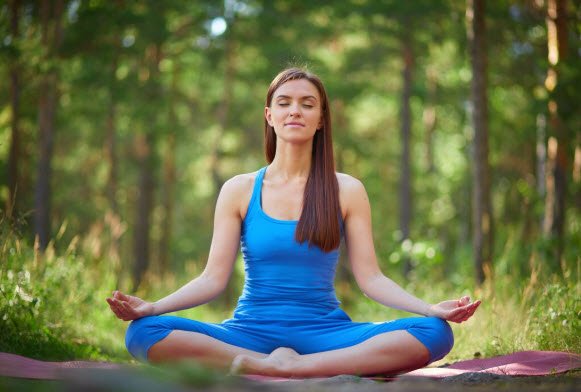

Breathing Meditation: A Simple Practice for Body, Mind, and Soul
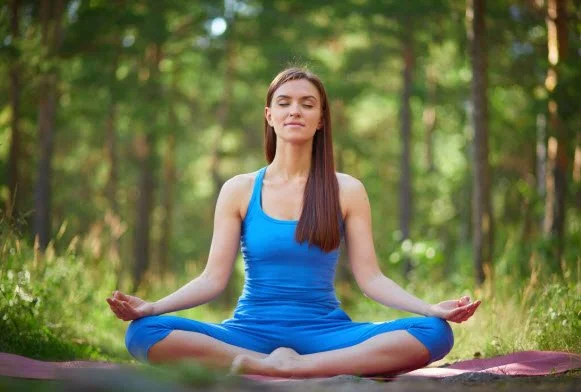
🧘♂️ Breathing Meditation
Sometimes, taking care of ourselves begins with something we do without even thinking about it: breathing.
Breathing meditation brings attention to this natural rhythm and turns it into a simple moment of connection. Instead of rushing from one task to another, you pause, sit comfortably, and notice each breath as it comes and goes.
It does not require special equipment, a complicated routine, or a perfect environment. A few quiet minutes can be enough to create a welcome pause in the day.
🌿 What Is Breathing Meditation?
Breathing meditation is a mindfulness practice in which you gently focus your attention on your breathing.
You might notice the air moving through your nose, the rise and fall of your chest, or the movement of your belly as you inhale and exhale. When your thoughts wander—and they naturally will—you simply bring your attention back to the breath.
The goal is not to force your mind to become completely empty. Instead, it is about becoming more present and giving yourself a moment to slow down.
Different traditions use different breathing patterns, but a simple approach is to breathe comfortably and allow the exhalation to become relaxed and unhurried.
💨 How Does Breathing Meditation Work?
Breathing and the nervous system are closely connected. Changing the pace and depth of your breathing can influence the activity of the autonomic nervous system, which helps regulate functions such as heart rate and blood pressure. Research on slow breathing has found changes in heart-rate variability and other measures associated with the body's regulation of stress and relaxation.
When you deliberately slow your breathing and pay attention to it, you are doing two things at once: working with your breath and directing your attention.
That combination can create a gentle shift away from a busy, reactive state and toward greater calm and awareness.
Think of it as pressing a small pause button in the middle of a busy day.
🧘♀️ A Simple Way to Practice
You do not need a long meditation session to begin. A few minutes can make the difference.
Find a comfortable place to sit. Let your shoulders relax and allow your hands to rest naturally.
Close your eyes or soften your gaze.
Take a comfortable breath in through your nose, then slowly and comfortably breathe out.
Notice how the breath feels.
Follow another breath.
And another.
There is no need to force a deep breath or hold your breath for a long time. Let the breathing remain comfortable and natural.
When your thoughts move toward your plans, worries, memories, or your to-do list, gently return your attention to the next breath.
Even a few minutes can become a meaningful moment of stillness. Some days your mind may feel wonderfully calm. Other days it may be full of thoughts. Both experiences are completely human. The practice is simply returning to the breath.
Over time, those small moments of attention can become something you look forward to.
❤️ What Happens in the Body?
One of the most interesting things about breathing meditation is that the effects are showing in your body. Slow, controlled breathing can influence several of the body's systems.
Research has found that slow breathing can affect heart rate, blood pressure, heart-rate variability, and the balance between the sympathetic and parasympathetic branches of the autonomic nervous system. The parasympathetic system is associated with the body's “rest and digest” response.
As the body settles, you may notice simple physical changes such as:
💓 A calmer heartbeat
Slow breathing is associated with modest reductions in heart rate in research studies.
🌬️ A slower breathing rhythm
Your breath can naturally become quieter, smoother, and more regular as you relax.
🧘♀️ Less physical tension
Relaxing your breathing often goes hand in hand with relaxing your shoulders, jaw, face, and other areas where tension can collect.
🌿 A greater sense of physical calm
Breathing practices can encourage a shift toward parasympathetic activity, helping the body move away from a heightened state of arousal.
These changes are part of the beautiful connection between the breath, the brain, and the rest of the body.
🧠 What Happens in the Mind?
The breath gives the mind something simple to focus on. Instead of following every thought, you return again and again to one familiar experience: breathing.
Research on slow breathing has found psychological effects associated with relaxation and changes in emotional arousal, while studies of breathing-based practices have also observed activity changes in brain networks involved in attention and emotional regulation.
Over time, this practice can feel like creating a little more space between what happens around you and how you respond to it.
That space can be valuable.
It can give you a chance to pause, gather yourself, and come back to the present moment.
✨ The Connection With the Soul
The word “soul” means something different to everyone. For one person, it may represent spirituality. For another, it may describe their inner self, sense of peace, personal values, or feeling of connection.
Breathing meditation can become a quiet space for that inner experience.
When the noise of the day becomes softer, you may have more time to listen to yourself. You may notice your feelings more clearly, appreciate the present moment, or simply enjoy the feeling of being still.
There is something comforting about realizing that, underneath all the activity of everyday life, your breath is always there: One breath, then another.
A simple reminder that you are here, in this moment.
🌸 Benefits of Making Breathing Meditation Part of Your Routine
Breathing meditation can be a beautiful addition to a self-care routine because it is simple enough to practice almost anywhere.
Some people use it in the morning to begin the day with intention. Others prefer a few quiet minutes before bed. It can also be a lovely transition after work, before reading, during a peaceful afternoon, or anytime you want to step away from the day's constant activity.
With regular practice, breathing meditation can become more than a few quiet minutes. It can become a familiar ritual that reminds you to slow down and reconnect with yourself.
💙 Care Product Reminder
The information on this page is intended for educational purposes and should not replace professional medical advice. Every person is unique, so consider your individual needs and consult a qualified healthcare professional if you have specific concerns about your body, mind, and soul connection.