
Chakra Meditation: A Gentle Practice for Mind, Body, and Inner Balance
🌿 What Is Chakra Meditation?
Chakra meditation is a form of meditation that focuses attention on what traditional Indian spiritual and yogic practices describe as chakras, or energy centers of the body.
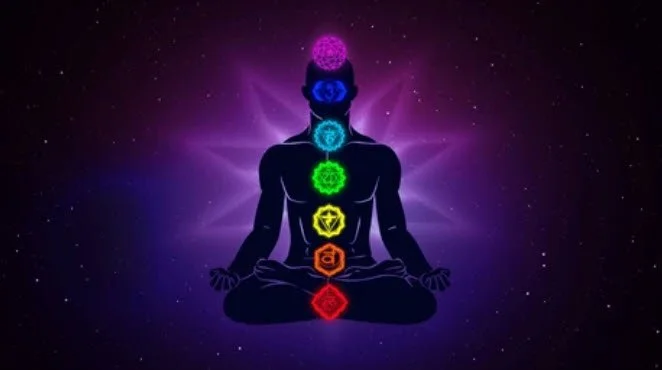
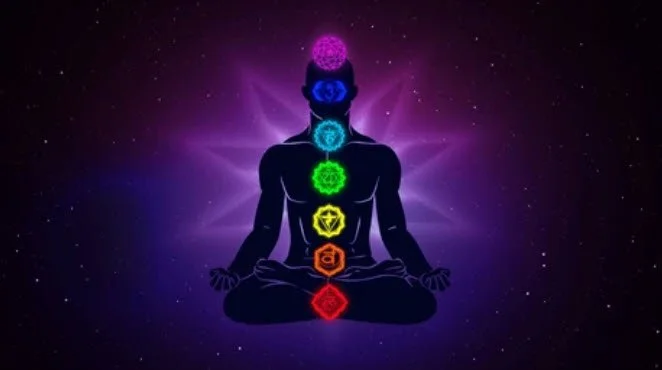
The word chakra comes from Sanskrit and is commonly translated as "wheel" or "circle." Traditional teachings describe a series of energy centers along the body, generally beginning near the base of the spine and moving upward toward the crown of the head. Different chakras are traditionally associated with different qualities, emotions, colors, and areas of personal development.
During chakra meditation, a person may sit quietly, focus on one chakra at a time, use visualization, repeat a mantra, or simply bring gentle awareness to a particular area of the body.
For many people, the practice is less about trying to achieve something complicated and more about creating a quiet moment to slow down, breathe, and become more aware of the connection between the mind and body.
🌈 Understanding the Seven Chakras
Many modern chakra meditation practices work with seven main chakras.
They are traditionally described from the lower body toward the top of the head:
🔴 Root Chakra — associated with grounding, stability, and a sense of security.
🟠 Sacral Chakra — associated with creativity, emotions, and pleasure.
🟡 Solar Plexus Chakra — associated with confidence, personal strength, and motivation.
💚 Heart Chakra — associated with love, compassion, and connection.
🔵 Throat Chakra — associated with communication and self-expression.
🟣 Third Eye Chakra — associated with awareness, intuition, and reflection.
⚪ Crown Chakra — associated with spirituality, consciousness, and a sense of connection.
These associations come from traditional chakra systems rather than established medical anatomy. In other words, chakras are part of a spiritual and contemplative framework, not physical organs recognized by modern medicine.
This distinction is useful because it allows us to appreciate chakra meditation for what it is: a traditional meditation practice with spiritual meaning, while also recognizing that research specifically on chakras is still limited.
🧘 How Does Chakra Meditation Work?
Chakra meditation usually combines several familiar meditation techniques.
You may begin by sitting comfortably and taking slow breaths. Your attention can then move gradually through the different chakra locations.
Some practices use visualization, such as imagining a particular color associated with each chakra. Others use sounds or mantras, while some simply focus on bodily sensations and breathing.
The important part is the act of bringing your attention back whenever your mind wanders.
For example, if you are focusing on the heart area and your thoughts begin moving toward your to-do list, you simply notice the distraction and gently return your attention to your breathing and the practice.
In this way, chakra meditation shares something with other forms of mindfulness meditation: training your attention to become more present and aware.
💚 How Chakra Meditation May Support Mental Well-Being
A quiet meditation practice can create space away from the constant activity of everyday life.
Chakra meditation may encourage:
🌿 Relaxation
🧠 Greater awareness of thoughts and feelings
🌸 A sense of calm
💭 Time for reflection
💚 Mind-body awareness
✨ A more intentional self-care routine
Research on meditation more broadly provides stronger evidence than research on chakra meditation specifically. Studies of mindfulness and mantra-based meditation have found benefits for areas such as anxiety, depression, pain, and stress, although the effects are generally modest and chakra meditation itself has not been studied as extensively.
So when we talk about the potential benefits of chakra meditation, it is helpful to separate the traditional chakra framework from what has actually been studied scientifically.
🌱 What About the Physical Side?
Chakra meditation is primarily a mental and contemplative practice, but meditation also involves the body.
Sitting quietly, slowing the breath, relaxing the muscles, and directing attention inward can create a noticeable physical feeling of calm.
Some people may become more aware of sensations such as warmth, tension, breathing, or gentle tingling while practicing. These experiences can be part of paying closer attention to the body. Research has examined similar aspects of focused attention and interoceptive awareness in meditation, although there is not good evidence that meditation physically "balances" chakras in the medical sense.
This makes chakra meditation an interesting example of mind-body wellness: the practice begins with attention and awareness, but the experience can involve both the mind and the body.
🕯️ When Can You Practice Chakra Meditation?
There isn't one perfect time for chakra meditation.
You might practice it:
🌅 In the morning
Morning meditation can provide a quiet beginning to the day before responsibilities and distractions take over.
🌙 In the evening
An evening practice can create a peaceful transition between a busy day and your nighttime routine.
💻 During a stressful day
Even a short meditation break can give you an opportunity to step away from your surroundings, slow your breathing, and refocus your attention.
🌿 During personal self-care time
Chakra meditation can also become part of a larger self-care routine alongside activities such as gentle stretching, journaling, walking, or other relaxation practices.
The most useful time is often simply the time when you can practice consistently and without feeling rushed.
🧘♀️ How to Practice Chakra Meditation
If you are new to chakra meditation, you don't need to make your first practice complicated.
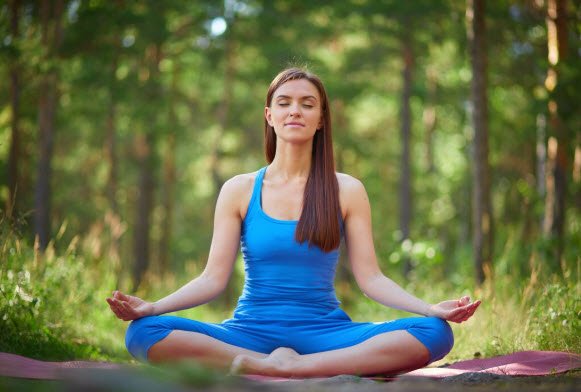
Find a comfortable, quiet place where you can sit or lie down.
Close your eyes if that feels comfortable and take several slow breaths.
Then begin bringing your attention to the area associated with the first chakra. You can imagine its traditional color, notice how your body feels, or simply sit quietly with your attention there.
Move slowly upward through the chakra system, spending a little time with each area.
You can also use a simple phrase or mantra that reflects the quality you want to focus on, such as:
"I am grounded."
"I allow myself to create."
"I trust myself."
"I am open to compassion."
The words don't have to be perfect. What matters is giving your mind a calm point of focus.
When you finish, take a few more slow breaths before opening your eyes and returning to your day.
✨ Chakra Meditation as a Form of Self-Care
Self-care does not always have to involve a specific routine or activity. Sometimes it can simply mean giving yourself a few quiet moments to slow down and reconnect with how you feel.
Chakra meditation can be a gentle way to create that space. You can use the practice to pause, focus on your breathing, notice your thoughts, and bring your attention back to the present moment.
Even a few minutes of quiet meditation can become a meaningful part of your day—a chance to step away from everyday distractions and give yourself some time to simply be.
🌸 What Does Science Say About Chakra Meditation?
This is an area where it is important to be accurate. There is much more research on meditation in general than on chakra meditation specifically. Current evidence reviews note that chakra meditation has not been extensively tested as an isolated practice in large clinical trials. Much of the available evidence comes from broader research on mindfulness, mantra meditation, focused attention, and related practices.
That doesn't take away from the personal or traditional meaning of chakra meditation. It simply means that claims about specific medical effects of individual chakras should not be presented as established scientific facts.
The most reasonable way to look at the practice is as a form of meditation that combines focused attention, breathing, visualization, body awareness, and traditional spiritual concepts.
💜 Final Thoughts
Chakra meditation brings together an ancient spiritual framework with familiar meditation practices such as breathing, visualization, focused attention, and mindfulness.
For some people, the chakra system provides a meaningful way to reflect on different parts of their emotional and personal life. For others, it may simply be a peaceful way to slow down and become more aware of their thoughts and body.
Whether you practice for five minutes or spend longer in meditation, the most important part can be creating a quiet moment in which you can pause, breathe, and reconnect with yourself.
A little time for stillness can be a meaningful part of a healthy self-care and holistic wellness routine.
🌿 Care Product Reminder
The information on this page is intended for educational purposes and should not replace professional medical advice. Every person is unique, so consider your individual needs and consult a qualified healthcare professional if you have specific concerns about your skin, hair, scalp, or overall health.