
Coconut Oil: A Versatile Ingredient for Hair, Skin, and Everyday Care
🥥 Getting to Know Coconut Oil
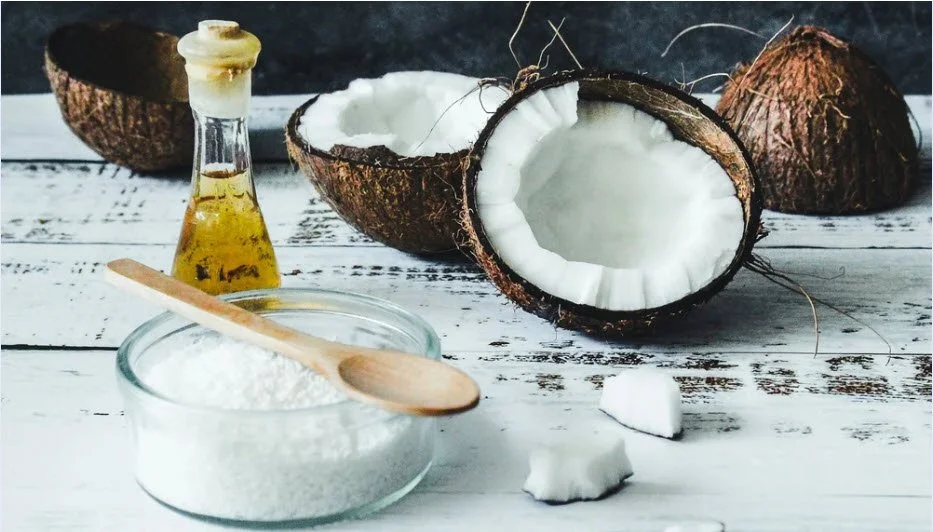
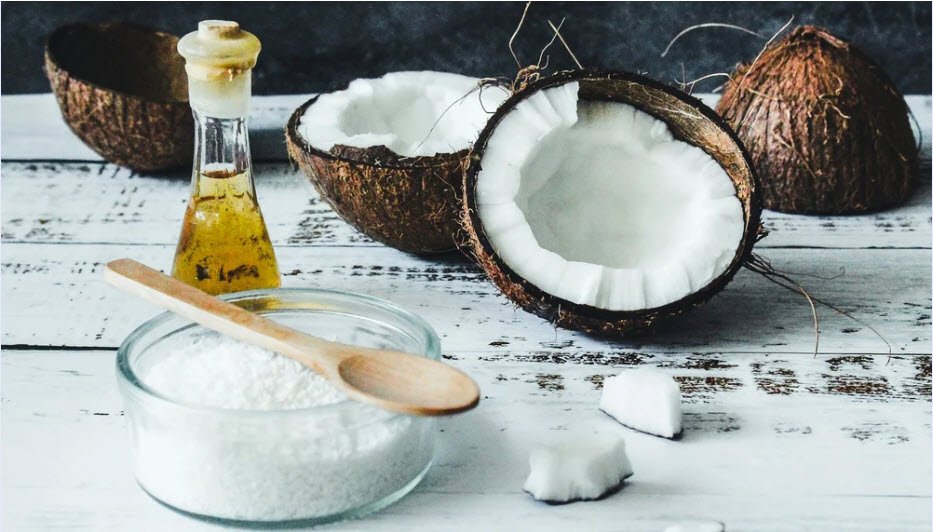
Coconut oil is one of those ingredients that has been part of beauty traditions for generations. Made from the flesh of the coconut, this familiar tropical oil has long been used in hair and skin care and continues to be a popular ingredient in modern personal care products.
What makes coconut oil interesting is its distinctive texture and composition. Unlike many plant oils that remain liquid at room temperature, coconut oil can become solid when it is cool and turn into a liquid when warmed. This simple characteristic makes it easy to recognize and gives it a different feeling from many other oils used in beauty products.
Today, coconut oil can be found in hair conditioners, masks, cleansing products, body creams, lip care, and other personal care formulations. Some people also use pure coconut oil as part of their beauty routine.
For direct use, a small amount is generally enough, particularly on the hair. The oil melts easily when warmed between the hands and can then be worked through the desired area.
🌴 Where Does Coconut Oil Come From?
Coconut oil comes from the flesh of the coconut, the fruit of the coconut palm (Cocos nucifera). Once the coconut flesh is separated from the shell, it can be processed in different ways to produce oil. The processing method is one of the reasons you may see different descriptions on coconut oil products.
Virgin coconut oil is generally made from fresh coconut and undergoes less processing. It usually retains more of the characteristic coconut aroma and flavor.
Refined coconut oil is processed further and typically has a milder scent and a more neutral appearance. In personal care products, this can be useful when a strong coconut aroma isn't desired.
You may also see coconut oil described as cold-pressed, unrefined, or organic. These terms describe different aspects of how the ingredient is produced or sourced.
When choosing a beauty product containing coconut oil, it is helpful to look beyond the name of the ingredient and consider the complete formulation.
💇♀️ Coconut Oil and Hair Care
Coconut oil has a particularly interesting place in hair care because of its fatty-acid composition.
Hair is made primarily of keratin, and everyday activities such as washing, brushing, heat styling, and exposure to the environment can affect its feel and appearance. Coconut oil is often used in hair treatments because it can provide a rich conditioning effect.
One popular way to use coconut oil is as a pre-wash hair treatment. The oil can be applied to the lengths and ends before shampooing and then washed out as part of the normal hair routine.
Coconut oil is also commonly included in ready-made conditioners, masks, and leave-in treatments.
Depending on the formulation, it can help:
Condition hair that feels dry or rough
Improve the softness and smoothness of the hair
Make the lengths and ends feel more manageable
Give the hair a healthy-looking shine
Add richness to conditioning treatments
Coconut oil can be particularly interesting for people who enjoy richer hair treatments rather than lightweight styling products. However, its texture isn't ideal for every hair type or every styling routine, which is why it is available in such a wide variety of formulations.
If you're interested in building a complete routine, you can explore our Healthy Hair Care Guide.
🥥 Coconut Oil in Skin Care
Coconut oil is also widely used in body and skin care because of its rich, emollient texture. Rather than simply adding moisture to the skin, oils can help soften the skin and contribute to the feeling of smoothness after application. This makes coconut oil a familiar ingredient in body creams, lotions, balms, and cleansing products. It is especially common in products designed for areas that tend to feel dry, including the hands, elbows, knees, and feet.
Coconut oil can also be found in cleansing formulations. Oils have an affinity for many oil-based substances, which is one reason they can be incorporated into cleansing products designed to remove makeup, sunscreen, and other products from the skin.
For facial care, however, coconut oil is not necessarily suitable for everyone. Its richer texture may not be comfortable for people whose skin is prone to clogged pores or breakouts. A facial product formulated specifically for your skin type may be a better option in those cases.
🌱 What Is Lauric Acid and Why Is It Interesting?
One of the defining characteristics of coconut oil is its fatty-acid profile. Coconut oil contains a high proportion of lauric acid, along with other fatty acids. Lauric acid is a saturated fatty acid that naturally occurs in coconut oil and contributes to some of the ingredient's distinctive characteristics.
Coconut oil contains several different fatty acids, with lauric acid being the most abundant. It also contains myristic acid, palmitic acid, caprylic acid, capric acid, oleic acid, and stearic acid in varying amounts.
Lauric Acid — Lauric acid makes up a significant portion of coconut oil and is one of the main characteristics that distinguishes its composition. It contributes to the way coconut oil behaves and is one reason the ingredient is widely used in hair and skin care formulations.
Myristic Acid — Myristic acid is another saturated fatty acid naturally present in coconut oil. It contributes to the rich character of the oil and is also used in cosmetic formulations for its emollient properties.
Palmitic Acid — Palmitic acid is found naturally in many plant and animal fats. In coconut oil, it contributes to the overall fatty-acid profile and helps give the oil some of its characteristic properties.
Caprylic and Capric Acids — These are shorter-chain fatty acids that occur naturally in coconut oil. They are part of what gives coconut oil its distinctive composition and are also familiar ingredients in various cosmetic formulations.
Oleic Acid — Oleic acid is a monounsaturated fatty acid found in coconut oil, although in a smaller proportion than lauric acid. It is also naturally present in many other plant oils and contributes to their conditioning characteristics.
Stearic Acid — Stearic acid is another saturated fatty acid found in coconut oil. It is commonly used in cosmetic formulations and can contribute to the texture and consistency of creams, balms, and other personal care products.
✨ What Makes Coconut Oil Different From Other Plant Oils?
Coconut oil has several characteristics that have helped it remain popular in personal care.
Its Changing Texture — Coconut oil can be solid at cooler temperatures and liquid when warmed. When applied to the skin or warmed between the hands, it melts easily and spreads across the surface.
Its Rich Feel — Compared with many lightweight botanical oils, coconut oil has a richer, more substantial texture. This makes it particularly common in conditioning treatments, body care, and richer formulations.
Its Botanical Origin — Coconut oil comes directly from the coconut palm, making it a familiar plant-derived ingredient in natural and botanical beauty products.
Its Versatility — The same ingredient can appear in products designed for hair, body, lips, cleansing, and other areas of personal care.
Its Long History — Coconut has been used in traditional beauty and personal care practices across tropical regions for generations. Its continued presence in modern cosmetics is a reflection of how versatile this familiar ingredient can be.
🧴 How to Find Coconut Oil in Beauty Products
If you would like to know whether a product contains coconut oil, check the ingredient list. Coconut oil is commonly listed as Cocos Nucifera (Coconut) Oil.
You may find it in shampoos, conditioners, hair masks, body lotions, creams, cleansing products, lip care, and other formulations.
It is also worth remembering that coconut oil rarely works alone in a finished cosmetic product. Formulators combine it with other oils, botanical extracts, emollients, moisturizers, vitamins, and other ingredients to create a particular texture and purpose. For example, a hair mask containing coconut oil may feel very different from a lightweight conditioner that contains only a small amount of the ingredient. The complete formula determines the final experience.
If you're using pure coconut oil, it can be useful to warm a small amount between your palms before applying it. This allows the solid oil to melt and makes it easier to distribute through the hair or over the skin.
💙 Care Product Reminder
The information on this page is intended for educational purposes and should not replace professional medical advice. Every person is unique, so consider your individual needs and consult a qualified healthcare professional if you have specific concerns about your skin, hair, scalp, or overall health.