
🌿 Getting to Know Rosemary Oil
Rosemary is probably best known as an aromatic herb used in cooking, but its story doesn't end in the kitchen. For centuries, rosemary has also been associated with traditional beauty and personal care practices.
Today, rosemary can be found in shampoos, scalp treatments, hair oils, conditioners, soaps, and other cosmetic products. Its fresh herbal aroma and botanical origin have made it a particularly popular ingredient in hair and scalp care.
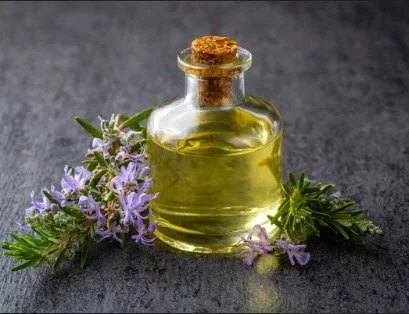
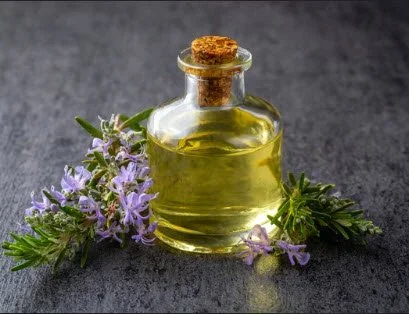
When people talk about rosemary oil, they may be referring to different types of products. Rosemary essential oil is a concentrated aromatic oil obtained from the rosemary plant, while some hair oils are carrier oils that have been infused with rosemary. These products can look and behave quite differently.
Rosemary essential oil is highly concentrated and is generally not intended to be applied directly to the skin or scalp. It is commonly diluted with a carrier oil or incorporated into a finished cosmetic formulation before use.
🌱 What Is Rosemary Oil?
Rosemary oil comes from the rosemary plant, scientifically known as Salvia rosmarinus. The plant is an evergreen herb native to the Mediterranean region and is now grown in many parts of the world.
The essential oil is produced by extracting volatile aromatic compounds from the plant, commonly through steam distillation. These compounds are responsible for rosemary's distinctive fresh, herbaceous scent.
Some of the naturally occurring compounds found in rosemary essential oil include 1,8-cineole, camphor, and α-pinene. The exact composition can vary depending on factors such as the plant's growing conditions, variety, and method of processing.
You may see rosemary oil included in products designed for the scalp, hair, skin, or simply for their pleasant botanical fragrance.
It is worth remembering that rosemary essential oil is very different from the rosemary you use as a culinary herb. The essential oil is concentrated, which is why cosmetic products formulate it carefully and why direct application of the undiluted essential oil isn't recommended.
💆♀️ Rosemary Oil and Scalp Care
A healthy-looking scalp is an important part of a good hair care routine, and this is one area where rosemary oil has attracted considerable attention.
Rosemary essential oil is often included in scalp oils, shampoos, serums, and other products intended to complement regular scalp care. Its fresh aroma can also make a scalp massage feel like a relaxing part of a beauty routine.
There has also been scientific interest in rosemary oil and hair growth. A small clinical study compared rosemary oil with a commonly used hair-loss treatment over several months and reported an increase in hair count in both groups. However, this does not mean that rosemary oil will produce the same results for everyone, and more research is needed to better understand its potential role in hair loss and hair growth.
It may be included in products intended to:
Complement a regular scalp care routine
Provide a refreshing herbal aroma
Enhance the experience of a scalp massage
Condition the hair when included in an appropriate oil-based formula
Add a botanical element to shampoos, serums, and hair treatments
If you're interested in creating a complete hair care routine, you can also explore our Healthy Hair Care Guide.
🧴 Rosemary Oil and the Hair Care Experience
One of the appealing things about rosemary oil is that it brings more than an ingredient to a hair care routine—it can also contribute to the sensory experience.
The fresh, herbaceous scent of rosemary is immediately recognizable. When incorporated into a shampoo, scalp treatment, or hair oil, it can give the product a clean and botanical character.
Rosemary is also commonly paired with other ingredients in hair care formulations. You may see it combined with carrier oils, botanical extracts, conditioning agents, or moisturizing ingredients.
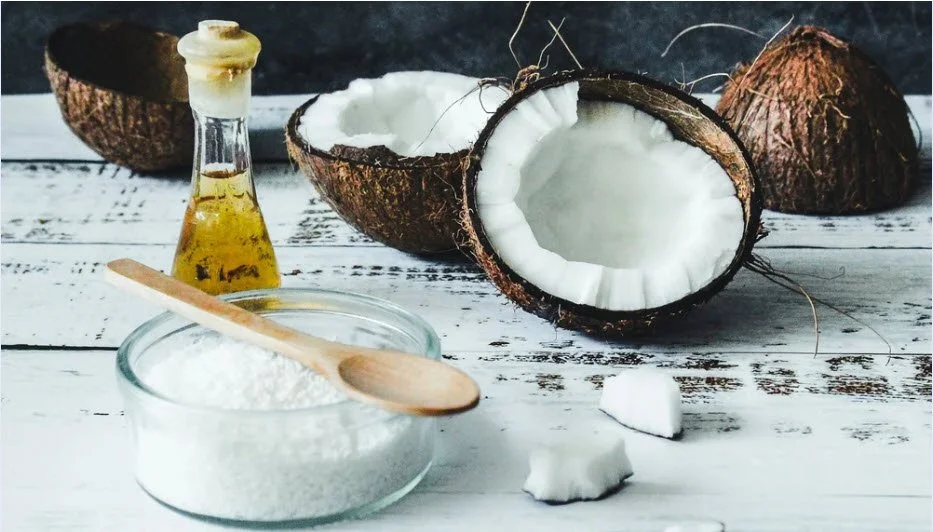
For example, a rosemary hair oil may use a carrier oil such as jojoba, coconut, or argan oil as its base, with rosemary extract or rosemary essential oil added to the formulation.
This is an important distinction because the carrier oil is not simply a substitute for rosemary oil. Each ingredient contributes its own characteristics to the finished product.
🧴 Rosemary Oil in Skin Care
Although rosemary is especially popular in hair care, rosemary-derived ingredients are also used in skin and body care products.
Rosemary extracts and essential oil can be found in soaps, cleansers, creams, body products, and other cosmetic formulations. In these products, rosemary may contribute botanical compounds, fragrance, or other formulation characteristics.
Rosemary also contains naturally occurring antioxidant compounds. In cosmetic formulations, rosemary extracts may be used for their antioxidant properties and as part of formulas designed to help protect the product from oxidation.
However, rosemary essential oil can be irritating for some people, particularly when it is highly concentrated. This is one reason finished cosmetic products are formulated with specific ingredient levels rather than simply adding large amounts of essential oil.
If you have sensitive skin, it's always a good idea to pay attention to how your skin reacts to products containing essential oils.
🌿 What's Inside Rosemary Oil?
Rosemary essential oil contains a variety of naturally occurring aromatic compounds. Their proportions can vary, but several are particularly well known.
1,8-Cineole — Also known as eucalyptol, this naturally occurring compound contributes to rosemary's fresh, characteristic aroma.
Camphor — Camphor is another naturally occurring compound found in rosemary oil. It contributes to the distinctive aromatic profile associated with many rosemary essential oils.
α-Pinene — This naturally occurring terpene is found in rosemary and many other aromatic plants. It contributes to the fresh, woody character of the oil.
Rosmarinic Acid — This is an important distinction: rosmarinic acid is associated with rosemary but is not a major component of the volatile essential oil itself. It is a naturally occurring phenolic compound found in rosemary plant material and is particularly relevant when discussing rosemary extracts.
Together, these naturally occurring compounds help give rosemary its characteristic botanical identity and explain why different rosemary-derived ingredients can have different properties and uses.
✨ Rosemary Essential Oil vs. Rosemary Extract
The words rosemary oil and rosemary extract are sometimes used casually as though they mean the same thing, but they are not identical.
Rosemary Essential Oil — This is a concentrated aromatic ingredient containing volatile compounds obtained from the rosemary plant. It is strongly scented and is generally used in diluted form in personal care.
Rosemary Extract — Extracts can be produced using different methods and may contain compounds that aren't present in the same proportions in the essential oil. Rosemary extracts are used in cosmetic formulations for purposes that can include their antioxidant properties.
Rosemary-Infused Oil — This is a carrier oil that has been infused with rosemary plant material. The result is different from pure rosemary essential oil and is generally much less concentrated.
Knowing the difference can be helpful when shopping for a rosemary hair or skin care product because two products carrying the word “rosemary” on the label may contain very different ingredients.
💚 How to Look for Rosemary in Personal Care Products
If you want to know whether a product contains rosemary, checking the ingredient list is the best place to start.
Rosemary essential oil may appear under names such as Rosmarinus Officinalis (Rosemary) Leaf Oil or Salvia Rosmarinus Leaf Oil, depending on the product and ingredient-labeling system being used.
Rosemary extracts may appear under different ingredient names, so the exact wording can vary.
You may find rosemary in shampoos, conditioners, scalp treatments, hair oils, soaps, body products, and other cosmetic formulations.
If you are purchasing a product specifically because you want rosemary, take a moment to see whether it contains rosemary essential oil, rosemary extract, or rosemary-infused carrier oil. They are not interchangeable, and understanding the difference can help you choose a product that matches what you're looking for.
If you're considering using rosemary essential oil at home, remember that essential oils are concentrated ingredients. Follow the product's directions and use a properly formulated or appropriately diluted product rather than applying undiluted essential oil directly to your scalp or skin.
💙 Care Product Reminder
The information on this page is intended for educational purposes and should not replace professional medical advice. Every person is unique, so consider your individual needs and consult a qualified healthcare professional if you have specific concerns about your skin, hair, scalp, hair loss, or overall health.