
Zen Meditation: Finding Stillness, Awareness, and Inner Balance

🌿 What Is Zen Meditation?
Zen meditation is a meditation practice rooted in Zen Buddhism, a tradition that developed from Chan Buddhism in China and later became established in Japan and other parts of East Asia.
One of the best-known forms of Zen meditation is called zazen, which literally refers to seated meditation. Zazen is a foundational practice across Zen schools.
At first, Zen meditation may seem very simple. You sit quietly, settle your body, pay attention to your breathing and present experience, and allow thoughts to come and go without becoming caught up in them.
There is no need to create a special mental picture or force yourself to stop thinking.
Instead, Zen practice encourages a direct awareness of what is happening in the present moment.
You may notice your breathing, sounds around you, sensations in your body, or thoughts appearing in your mind. When your attention wanders, you gently return to the practice.
Over time, this simple act of returning can become a way of developing greater awareness.
🧘 What Does Zen Meditation Mean?
Zen meditation is not simply about sitting quietly for a few minutes.
Traditional Zen places importance on bringing awareness into ordinary life, not only into formal meditation. Zen teachings emphasize attention and awareness during everyday activities as well as during seated practice.
That means something as ordinary as walking, eating, washing dishes, working, or having a conversation can become an opportunity to practice being fully present.
This is one of the things that makes Zen interesting.
The purpose isn't necessarily to escape everyday life. Instead, the practice encourages us to experience everyday life with greater awareness.
🧘 How Does Zen Meditation Work?
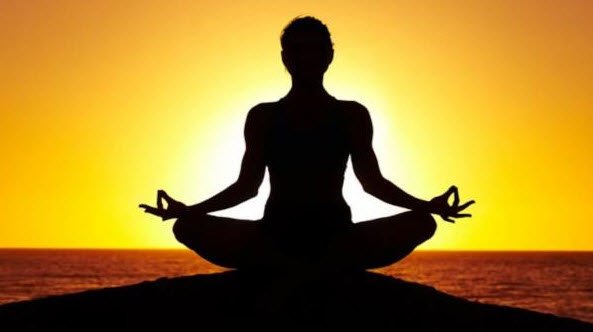
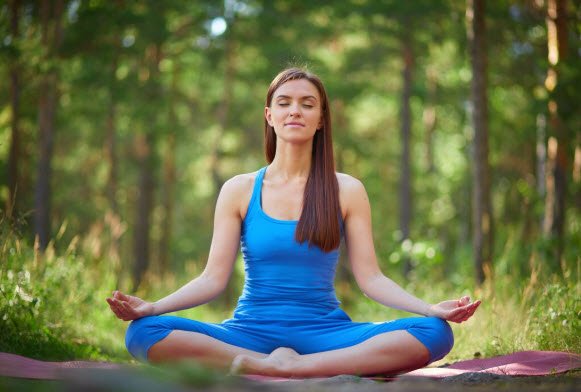
A typical Zen meditation session begins with a comfortable and stable seated position.
You might sit on a meditation cushion, bench, or chair. The spine is generally kept upright without being stiff, and the hands are placed in a relaxed position.
Once you are settled, attention can be brought to the breath and to the present experience. Thoughts will naturally appear.
You may suddenly remember something you need to do, think about a conversation, hear a noise, or begin planning the rest of your day. That's completely normal. Rather than fighting these thoughts, Zen meditation encourages you to notice what has happened and gently return your attention to the present.
With practice, you begin to notice the difference between having a thought and becoming completely absorbed in that thought.
This is one of the practical aspects of meditation that can carry over into everyday life.
🌸 Is Zen Meditation Really Helpful?
There is evidence that meditation can be helpful for certain aspects of mental and physical well-being, but it is important to distinguish Zen meditation research from meditation research as a whole.
Research specifically examining Zen meditation has reported changes associated with relaxation and attention, and some studies have explored effects on stress and blood pressure. However, earlier reviews have emphasized that the evidence specific to Zen meditation remains relatively limited.
More recent research is continuing to examine Zen meditation. For example, a 2026 study involving novice and experienced practitioners investigated anxiety, sleep quality, and EEG measures of brain activity. The findings showed differences related to meditation experience, although the researchers did not treat the EEG changes as proof of psychological improvement.
Research on meditation and mindfulness more generally is much larger. The National Center for Complementary and Integrative Health notes that meditation and mindfulness may help with areas such as stress, anxiety, depression, pain, and sleep, while also emphasizing that the quality and results of studies vary.
So the fairest answer is: Zen meditation can be a useful practice for many people, particularly as a way of cultivating calm, attention, and present-moment awareness, but it should not be presented as a cure or as a replacement for professional medical care.
💚 Potential Benefits of Zen Meditation
The experience of meditation can be different from one person to another, but several potential benefits are associated with Zen practice and with meditation more broadly.
🌿 Greater Relaxation - Sitting quietly and giving your attention to the present moment can create a break from the constant activity of everyday life.
Some research on experienced Zen practitioners has found increases in reported states of mental quiet and relaxation following zazen practice.
🧠 Improved Awareness - Zen meditation trains attention. You notice when the mind wanders and practice returning to what is happening now. With regular practice, this can encourage greater awareness of thoughts, emotions, and surroundings.
🌸 A Different Relationship With Thoughts - One of the beautiful things about meditation is discovering that you don't have to follow every thought that appears.
A thought can come, you can notice it, and you can let your attention return.
That doesn't mean eliminating thoughts. It means becoming less automatically carried away by them.
💭 Stress and Emotional Well-Being - Meditation and mindfulness practices have been studied for stress, anxiety, depression, and other aspects of mental well-being. Results vary depending on the practice and the people being studied, but research suggests meditation can have useful effects for some people.
🌙 A Quiet Space in the Day - Even when there isn't a dramatic change in how you feel, meditation can provide something valuable: a regular period when you are not rushing from one activity to another.
That quiet time can become part of a healthy self-care routine.
💚 Mind-Body Awareness - Zen meditation brings attention to both the mind and the physical experience of sitting, breathing, and being present.
This can make you more aware of tension, breathing patterns, posture, and other sensations that might normally go unnoticed.
🕯️ How to Practice Zen Meditation
If you are new to Zen meditation, you can start simply.
1. Find a quiet place - Choose somewhere comfortable where you can sit without being interrupted.
2. Sit comfortably - You don't have to sit cross-legged on the floor. A meditation cushion, bench, or ordinary chair can work.
The important thing is finding a position that allows you to remain relatively still and comfortable.
3. Keep your posture relaxed and upright - Allow your spine to be naturally upright without forcing it. Relax your shoulders, face, and hands.
4. Notice your breathing - Bring gentle attention to your breath. You don't need to change it dramatically. Simply notice the natural rhythm of breathing.
5. Notice what appears - Thoughts, sounds, emotions, and physical sensations may appear. Let them be noticed without needing to chase after them.
6. Return to the present - When you realize that your mind has wandered, simply come back. There is no need to criticize yourself. Noticing that you wandered is already part of the practice.
7. Start small -If you're new to meditation, five or ten minutes can be enough to begin developing a routine.
Over time, you can decide whether longer periods feel comfortable and meaningful to you.
🌅 When Can You Practice Zen Meditation?
There isn't one perfect time for everyone.
You might enjoy practicing:
In the morning — to begin the day quietly.
During the afternoon — as a pause between activities.
In the evening — as a way to create some quiet before bedtime.
After a stressful day — to step away from constant activity and give yourself some peaceful time.
The most important thing is finding a time that you can realistically maintain.
Zen practice emphasizes consistency and presence more than trying to create a perfect meditation experience.
🌳 The Ten Oxherding Pictures: A Zen Journey
One of the most beautiful traditional teachings associated with Zen is the Ten Oxherding Pictures, sometimes called the Ten Bulls.
They are not ten rules for meditation. Instead, they use the image of a person searching for, finding, and eventually returning with an ox as a metaphor for the journey of Zen practice and awakening. The ox is traditionally interpreted as representing the mind, true nature, or what the practitioner is seeking.
The ten pictures are traditionally presented as:
1. 🐂 Searching for the Ox
The journey begins with searching.
A person recognizes that there is something they want to understand more deeply and begins looking for a path.
2. 👣 Finding the Ox's Tracks
The seeker begins finding clues.
Teachings, meditation, reflection, and personal experiences begin pointing toward a deeper understanding.
3. 👀 Seeing the Ox
There is a first glimpse of what has been sought.
In Zen, this stage is associated with an initial experience of seeing one's true nature, sometimes described as kenshō.
4. 🪢 Catching the Ox
The experience becomes more challenging.
The practitioner begins working with deeply established habits, thoughts, and patterns rather than simply having an interesting moment of insight.
5. 🌿 Taming the Ox
With continued practice, the mind becomes more familiar with the process of returning to awareness.
Practice begins to feel more natural.
6. 🏡 Riding the Ox Home
The struggle begins to soften.
There is a growing sense of harmony between practice and everyday life.
7. 🌙 The Ox Forgotten
The thing that was originally being sought no longer needs to be constantly pursued.
The practice becomes less about achieving something and more about simply being present.
8. ⭕ Both Ox and Self Forgotten
This stage is traditionally represented by an empty circle.
It points toward letting go of rigid ideas about the self and about what enlightenment is supposed to look like.
9. 🌿 Returning to the Source
The practitioner returns attention to the ordinary world.
Nature, daily life, and simple experiences are seen without needing to turn them into something extraordinary.
10. 🤝 Entering the Marketplace With Helping Hands
The journey ends by returning to ordinary life and other people.
This final image is important because Zen is not presented simply as withdrawing from the world. The final stage emphasizes bringing wisdom, compassion, and awareness back into everyday life.
The Ten Oxherding Pictures are not necessarily meant to be treated as a strict ladder where everyone moves through each stage in exactly the same way. Zen teachers have also emphasized that the images can be revisited throughout practice.
🌱 Zen Meditation and Everyday Life
Perhaps one of the most practical ideas in Zen is that meditation doesn't have to end when you stand up from your cushion.
You can practice awareness while drinking your morning coffee, walking outside, preparing a meal, listening to someone, or simply noticing your surroundings. Instead of doing everything automatically, you can occasionally pause and actually experience what you are doing: The cup in your hand, the sound of the birds, the feeling of your feet touching the ground, the person speaking to you, the breath moving in and out.
These ordinary moments can become opportunities to practice being present.
💜 Final Thoughts
Zen meditation is simple in appearance, but it can open the door to a deeper relationship with attention, awareness, and everyday life. You don't have to clear your mind completely. You don't have to have a profound experience every time you sit down. Sometimes the practice is simply noticing that your mind wandered and gently coming back.
The research on Zen meditation itself is still developing, while the broader research on meditation and mindfulness provides more evidence for potential benefits related to stress, emotional well-being, attention, and relaxation.
The traditional Zen teachings add another dimension: the purpose of practice is not simply to feel peaceful while sitting. It is also about bringing greater awareness into ordinary life.
Perhaps that is what makes Zen meditation so appealing.
You sit. You breathe. You notice. And then you return to your life with a little more awareness.
🌿 Care Product Reminder
The information on this page is intended for educational purposes and should not replace professional medical advice. Every person is unique, so consider your individual needs and consult a qualified healthcare professional if you have specific concerns about your skin, hair, scalp, or overall health.