


Knowing your skin type is essential for tailoring your beauty routine and achieving optimal results. However, identifying your skin type on your own can be challenging. Sometimes your skin may feel dry, other times greasy, or your pores may appear large or small. Without a visit to the dermatologist, you can still determine your skin type using some simple at-home tests.
🔍💧🧖♀️ Steps to Identify Your Skin Type
1. Visual Inspection:
Oily Skin: Shiny appearance, enlarged pores, visible oil on the surface.
Dry Skin: Tightness, flaky patches, dullness, and possible redness.
Combination Skin: Oily in the T-zone (forehead, nose, chin) and dry in other areas.
Sensitive Skin: Prone to redness, irritation, and occasional rashes.
Normal Skin: Balanced, neither too oily nor too dry, small to medium-sized pores, smooth texture.
2. Blotting Test:
Preparation: Cleanse your face and wait for 30 minutes.
Process: Press a blotting sheet against different areas of your face.
Results:
Oily Skin: Blotting sheet shows significant oil.
Dry Skin: Blotting sheet absorbs little to no oil.
Combination Skin: Blotting sheet shows oil primarily in the T-zone.
Sensitive Skin: Blotting sheet shows minimal to no oil but may feel irritated or sensitive.
Normal Skin: Blotting sheet shows minimal oil, indicating balanced moisture levels.
3. Touch Test:
Oily Skin: Feels greasy and slick to the touch.
Dry Skin: Feels tight, rough, and flaky.
Combination Skin: Oily sensation in the T-zone and dry elsewhere.
Sensitive Skin: Feels reactive, itchy, or tender.
Normal Skin: Feels smooth and supple, with no extreme oiliness or dryness.
4. Other Considerations:
Your skin type can change based on factors such as weather, hormones, and certain medications.
If you have skin conditions like eczema or psoriasis, it's best to seek a dermatologist's professional diagnosis.
By understanding your skin type, you can select the right products and beauty routine to keep your skin healthy and glowing.
💖🧴 Know Your Skin, Love Your Routine
Understanding your skin type is the first step toward radiant, confident care. Whether you're oily, dry, combination, or somewhere in between, knowing your skin’s needs helps you choose products and routines that truly work. 🌿✨
With this clarity, you can build a beauty ritual that feels good, looks great, and supports your skin’s natural glow—every single day. 💫🧖♀️
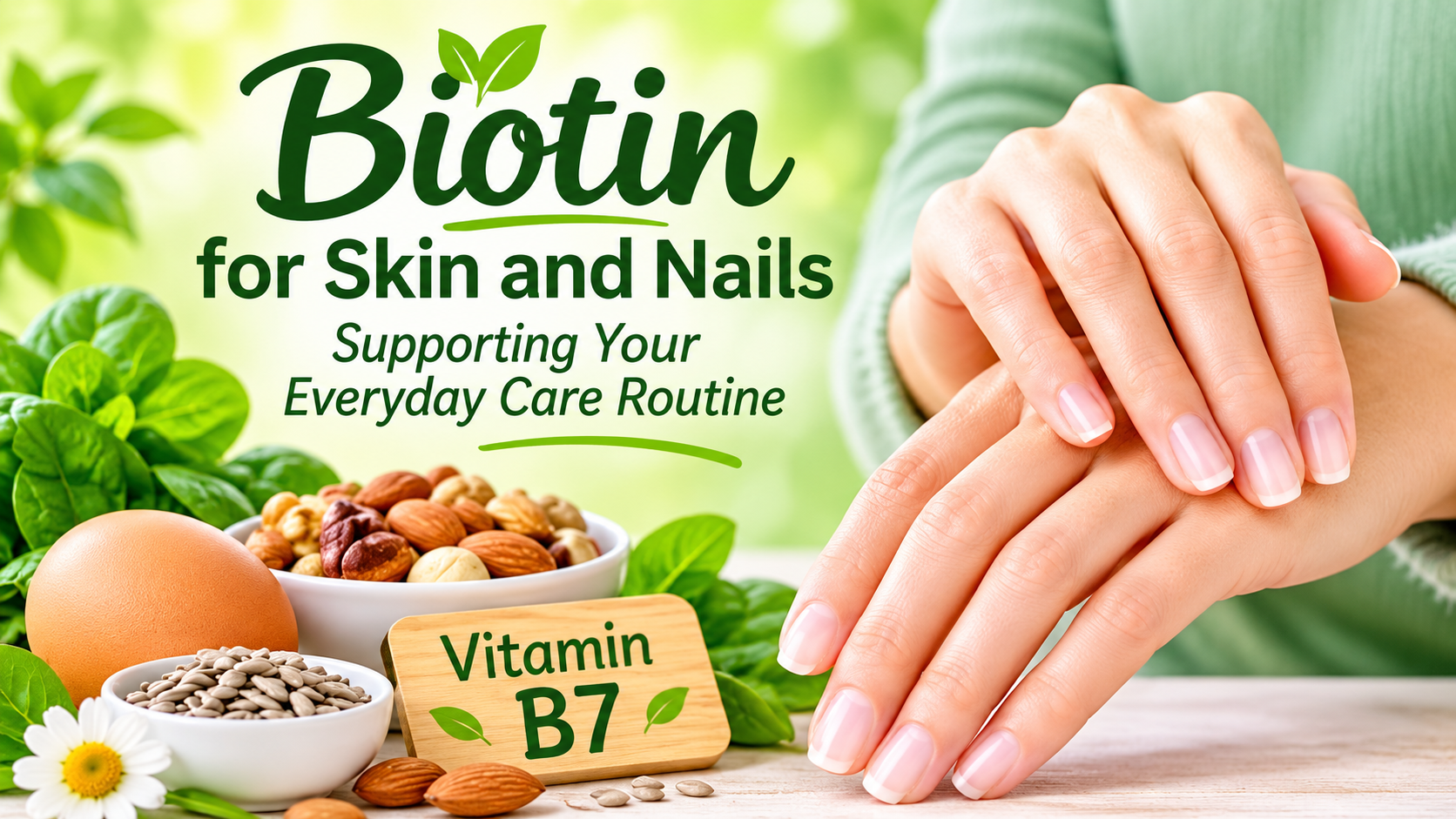
Taking care of your skin and nails is part of everyday self-care. From moisturizing your skin to keeping your nails clean and protected, small habits can make a meaningful difference in how you care for yourself.
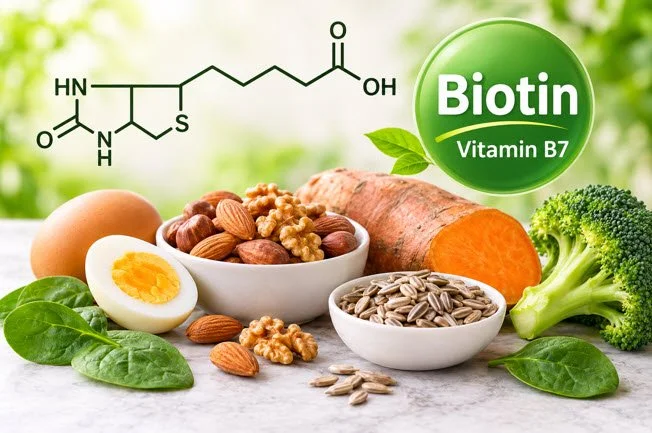
Biotin, also known as vitamin B7, is an essential water-soluble B vitamin that helps your body carry out several important everyday functions.

Vitamin C is one of those nutrients that fits naturally into everyday life. You can find it in colorful fruits and vegetables, enjoy it as part of a fresh meal, and find it in skincare products
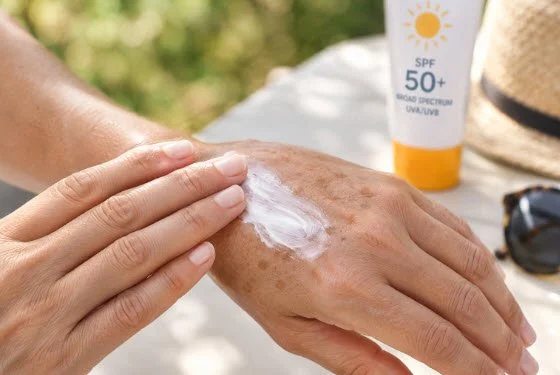
Our hands are part of almost everything we do. Yet when we think about skincare, it's easy to focus on our face and forget about the skin on our hands.

Zen meditation is a meditation practice rooted in Zen Buddhism, a tradition that developed from Chan Buddhism in China and later became established in Japan and other parts of East Asia.

Chakra meditation is a form of meditation that focuses attention on what traditional Indian spiritual and yogic practices describe as chakras, or energy centers of the body.

Visualization meditation is a practice that uses the imagination to create a detailed mental picture, feeling, or experience.

Our minds can be incredibly busy. There are always thoughts to organize, things to remember, plans for tomorrow, and moments from yesterday that come back to us.

Sometimes, taking care of ourselves begins with something we do without even thinking about it: breathing. Breathing meditation brings attention to this natural rhythm and turns it into a simple moment of connection.
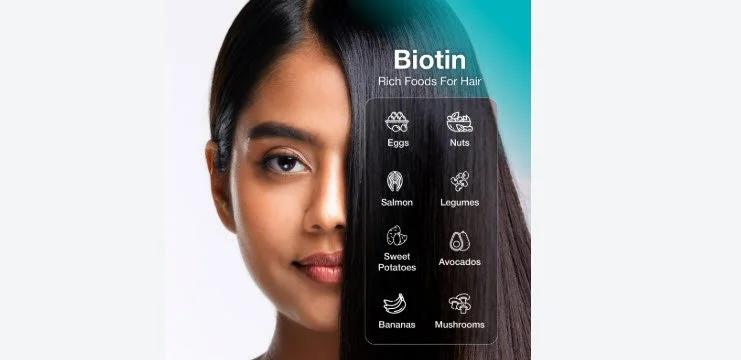
Beautiful hair is not only about the products we use on the outside. Hair also reflects what is happening inside the body, which is one reason nutrients such as biotin have become so popular in the world of hair care.

When we think about healthy-looking hair, we often think about shine, softness, and smoothness. But underneath all of those visible characteristics is something much more fundamental: keratin.
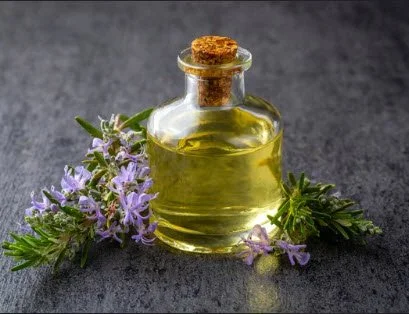
Rosemary is probably best known as an aromatic herb used in cooking, but its story doesn't end in the kitchen. For centuries, rosemary has also been associated with traditional beauty and personal care practices.
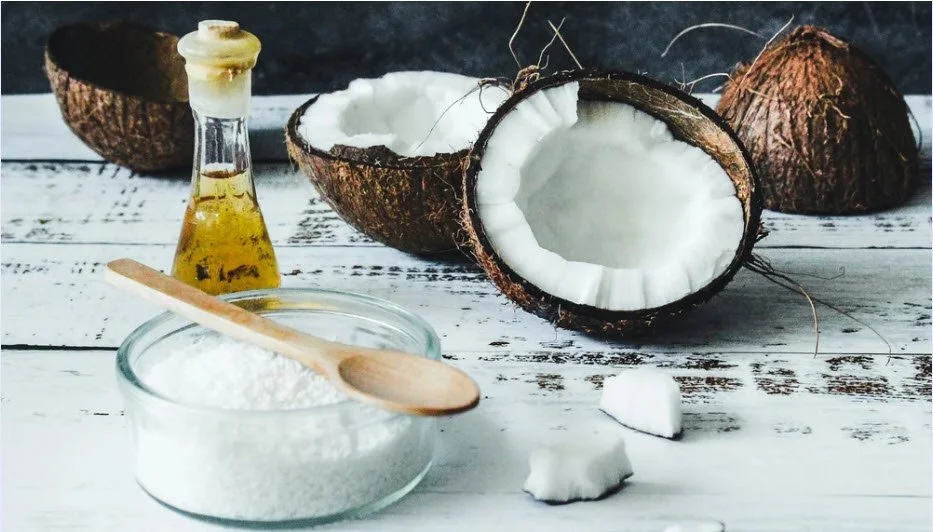
Coconut oil is one of those ingredients that has been part of beauty traditions for generations.

Argan oil has become a popular ingredient in beauty and personal care, but its story goes beyond a trend.
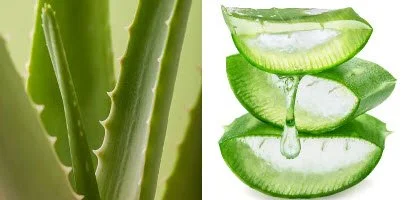
Aloe vera has been valued for centuries as one of nature's most versatile plants. Known for its soothing gel and naturally rich composition, it has become a popular ingredient in skincare, hair care, and wellness products around the world.
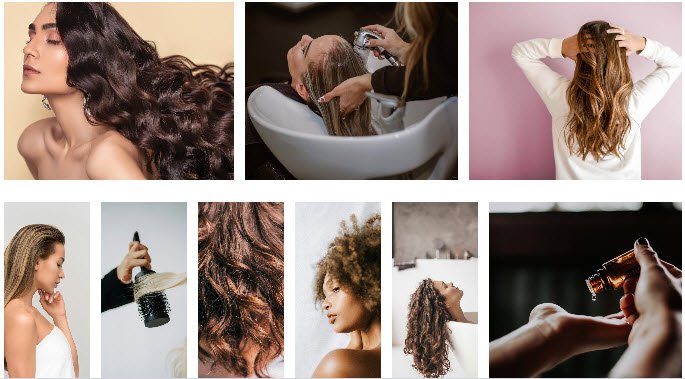
Beautiful, healthy hair is not just about the products you use—it's about understanding what your hair needs.
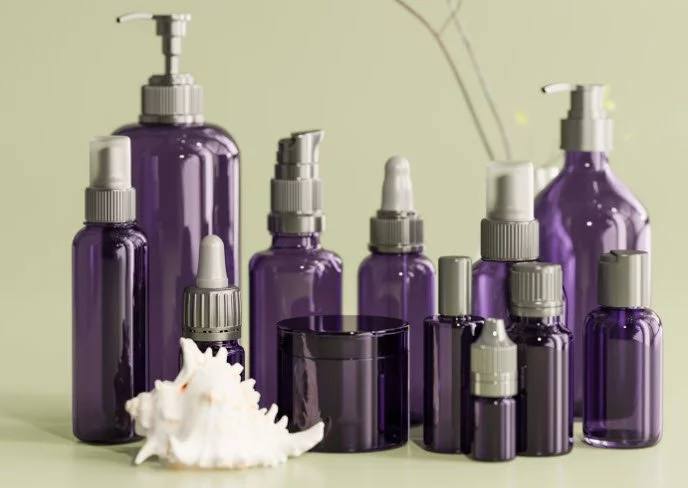
When it comes to skincare, consistency is key—but so is understanding the purpose behind each product. Whether you're just starting your beauty journey or refining your routine, knowing how each item contributes to your skin’s health can empower you to make confident, informed choices.